
Jewelry Guide
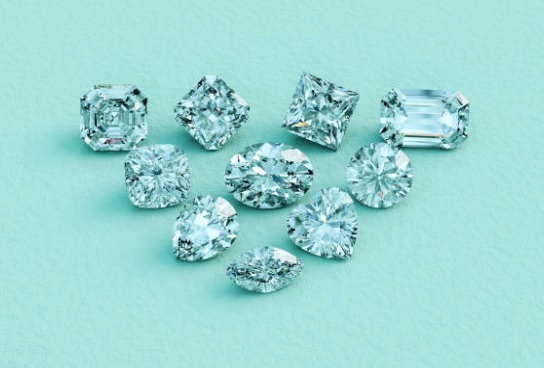
Whether you are buying a dream piece of jewelry for yourself or shopping for a gift for a loved one, you’ve come to the right place. In this section of Beyond4cs.com, we will reveal the insider tips for buying fine jewelry and diamond engagement rings.
You will also find out about the things to look out for and the best places to buy high quality jewelry at affordable prices. Let’s jump right in…
Find Out the Recipient’s Style
Choosing a piece of fine jewelry for yourself should be pretty straightforward. Depending on your personal style and lifestyle, you can make a decision on buying something that suits your needs.
If you need recommendations or advice, you can refer to the articles I’ve written about choosing different styles of rings for different types of finger/hand sizes, finding earring designs to suit different faces and even the meaning behind various shapes of gemstones.
However, when you are buying jewelry for someone else, that’s when things will get a little more tricky. You would need to find out the recipient’s preferences and get them something that fits their lifestyle.
For example, you probably want to find out how their wardrobe looks like or the type of daily routines the person has in order to select an appropriate type of jewelry for them. If the recipient is someone who is more flashy, a pair of loop earrings would be a better choice than a pair of plain studs.
It’s important to get details of your recipient’s preference so that you will be able to make better purchase decisions and buy a piece of jewelry that they will like and want to wear.
Setting a Budget
Before you start looking around, you should set a budget that you are willing to spend. It’s perfectly fine if you have a rough ballpark figure as that will help you (and the jeweler) narrow down the available options for you. If you are buying an engagement ring, you can use this study as a reference to find out how much to spend.
And here’s the thing. You should try to stay within a comfortable budget you can afford regardless of what a salesperson says or tries to upsell you. If a piece of jewelry you like is over your budget, my advice is to delay the purchase and try to save up more money first instead of taking up a layaway plan or go into debt.
The reason I’m saying this is that I’ve come across a number of readers who spend beyond their means or take up financing plans just to buy an expensive piece of jewelry.
In most cases, the interest and financing fees paid would end up snowballing into a big expense that just doesn’t make practical sense. And worse still, it could end up affecting your credit score.
Specialized Categories for Individual Types of Jewelry
Besides offering a comprehensive library of articles covering various topics, we had also arranged our content into categories to help you get information on a specific type of jewelry. Feel free to explore the guides at your own pace.
There’s a ton of knowledge here and I know it can get overwhelming at times. So, if you ever run into any questions, help is just an email or a comment away.
Online Proposal Rings
 I am sure most guys get the jitters when buying an expensive item online for the first time. We are here to help you. Check out the list of articles in this section for insights.
Diamond Earrings Tips
 Almost every lady would get a pair of diamond earrings during her lifetime. When buying a pair of nice earrings, there are some pointers that differ slightly from choosing a ring.
Choosing Wedding Bands
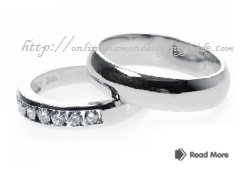 Wedding bands are symbols of union between a couple in a marriage and are typically less showy. We present to you some helpful tips to finding the right bands for you.
Pendants And Necklaces
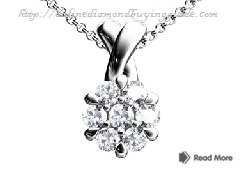 Diamond necklaces are beautiful pieces of jewelry that are usually used to complement dressing outfits. Find out how you could pick one for casual to party purposes.
Guide to Loose Diamonds
 While there are many benefits of purchasing loose diamonds online, it can be easy for the unwary consumer to get caught unaware. We show you the stuff to take note of.
Fancy Colored Diamonds
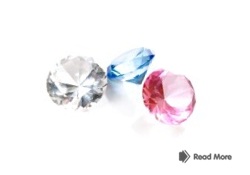 Diamonds can come in a range of colors and when their colors hit certain saturation, they are graded as fancy colored diamonds. This makes them a rare and prized possession.
What Are the Things to Look Out For When Shopping For Jewelry?
First and foremost, you need to keep the saying “Let the buyer beware” in mind because a lot of retailers indulge in the same scummy practices. It doesn’t help that there is a lack of regulations and enforcements to rein in the way unscrupulous retailers market products.
One of my biggest peeves about the jewelry industry is “large discounts” and “once-in-a-lifetime sales” tactics that retailers use to sucker in consumers. Uneducated shoppers think they are getting big bargains or deals only if they buy on the spot and these stores prey on human nature to induce impulse buying.
In almost every such case, you would end up overpaying for an inferior product than you would in buying a similar item of better quality from a reliable and reputable retailer. What’s worse is that there is little or no consumer protection when consumers find out they were ripped off.
The point I’m trying to make here is that bargaining is not the way to buy jewelry nor is finding unrealistic deals that claim to offer high quality jewelry at rubbish prices. The key to shopping safely and paying the correct price for a piece of jewelry lies in your choice of the jeweler.
Reliable jewelers know that the average consumer is not an expert and they don’t try to take advantage of your lack of knowledge. Good jewelers will also stand behind their products with an iron-clad FULL money back guarantee (store credits don’t count) and make the shopping process completely risk-free for you.
Where Are the Best Places to Buy Jewelry?
When it comes to buying good quality jewelry at competitive prices, you need to shop smart and head to the right places to make a purchase. Depending on the type of jewelry you are looking for, there are different jewelers that specialize in them.
Here’s my recommended list of jewelers and the respective products that they are great at. FYI, these are places that I had personally tested and made various jewelry purchases from.
Best Places to Buy Colored Gemstones And Birthstone Jewelry
If you are looking for colored gemstone (birthstone) jewelry, the best places to shop for them are James Allen and Blue Nile. This is because of the wide selections they offer and transparent details they offer in their listings.
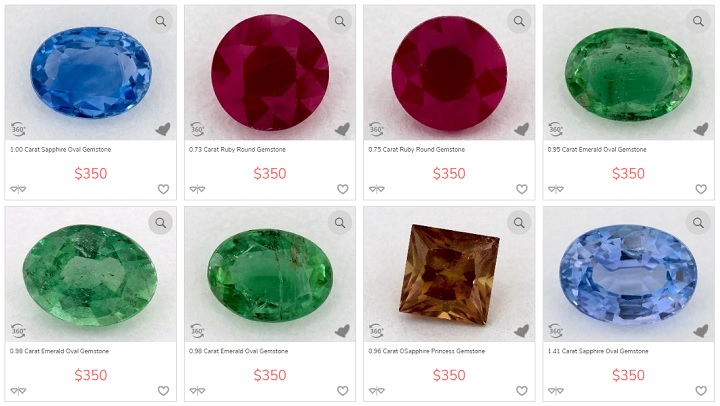
Highly detailed gemstone listings found at James Allen.
Best Places to Buy Loose Diamonds And Engagement Rings
The best vendors to buy diamond jewelry from are White Flash, Brian Gavin and James Allen. All 3 vendors hold an indepth inventory of GIA and AGS certified diamonds and they provide excellent craftsmanship in their ring settings too.
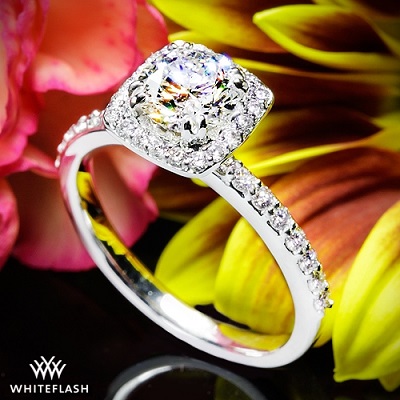
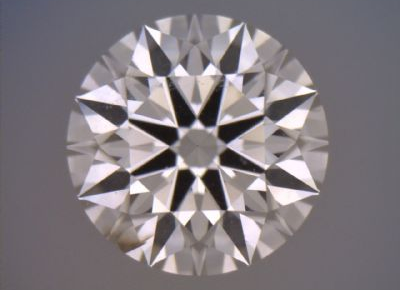
A stunning 0.911ct H SI1 diamond engagement ring from White Flash.
Best Places to Buy Silver And Pearl Jewelry
If you are looking for fine quality pearls with superior luster and shine, Brian Gavin is a vendor that you should check out. They also offer affordable silver jewelry pieces with plenty of designs for you to choose from.
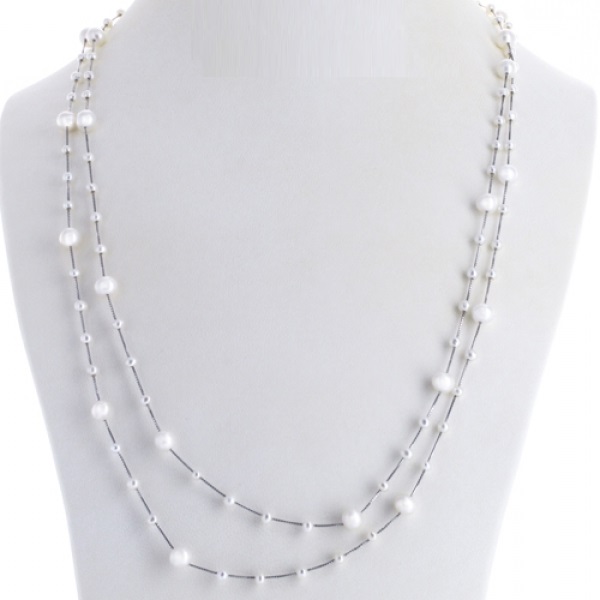
Naturally colored cultured pearl necklace from Brian Gavin.
Where to Buy Tennis Bracelets, Necklaces, Eternity Rings And Bridal Jewelry
When it comes to tennis bracelets or jewelry that features melee diamonds (tiny diamonds), White Flash and Brian Gavin are the undisputed kings in the industry. The super ideal cut melee diamonds they use are much more superior than any other vendors.
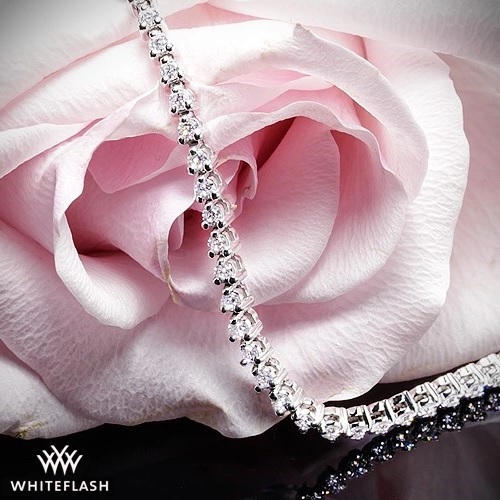
An impressive 2.00ctw diamond tennis bracelet made with 59 precisely cut melee diamonds.
Where to Buy Anniversary Gifts, Birthdays And Jewelry For Special Occasions
For people who are looking for smaller jewelry gifts for a special occasion like a birthday or Christmas, the best places to buy simple jewelry gifts are Blue Nile and James Allen.
Whether you are searching for a pair of earrings for Mother’s Day or looking for a push present to commemorate the birth of a new child, there is plenty of jewelry options to choose from!
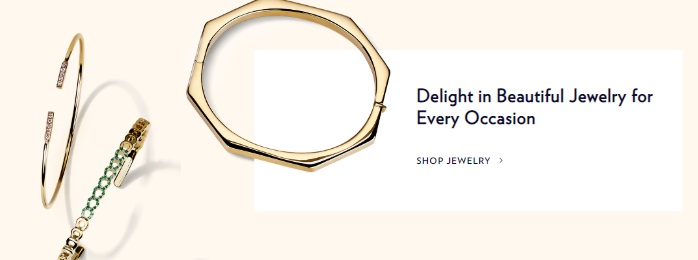
To wrap things up, I want to stress that price alone is not a reliable indicator of the integrity or product quality offered by the seller. Big brands like Tiffany and Cartier charge an arm and leg for their products but their products aren’t top notch. In fact, there are plenty of mediocre diamonds sold by Cartier at excessively high prices.
Vice versa, just because a piece of jewelry is priced lower than what it would cost in a physical retail store, doesn’t make it inferior to those sold by high-end stores. The key is to make decisions and comparisons based on tangible data instead of relying on what a salesperson would say just to close a deal.
Case in point, I bought this Vatche designer diamond ring from White Flash for less than half the price that it would cost for an identical ring (with identical diamond quality) sold in large chain jewelry stores.
Because I made my shopping decisions based on tangible information instead of emotions, I was able to buy a high quality diamond engagement ring at competitive prices while enjoying superior risk-free sales policies at the same time!
More Readings And Tips to Shopping For Jewelry Online
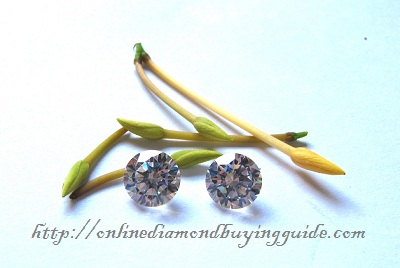
- Is it Safe to Make Such a Huge Purchase Online?
For many people, the mere thought of buying a diamond online is unthinkable. Read this article to find out more information on diamond purchasing over the Internet and why it is safer compared to buying in a physical store. - Online Vs Physical Jewelry Store Pricing Differences
With lesser overheads and operational costs, online businesses can price their stones at much lower prices than any brick and mortar store can offer you. Find out details here! - How Much Should You Spend on an Engagement Ring?
This is one of the biggest questions on the minds of most guys when they decide to pop the question. With a wedding coming up, things can get really expensive and expenses can quickly spiral out of control. Find out how much you should spend on your proposal ring here. - Trusted Online Vendors You Can Work With – Who I Recommend And Why
With a myriad of online vendors that you can choose from to get your jewelry or diamond ring, how do you pick the one to work with? Find out who we trust most and why we feel that way here. - Checklist For Jewelry Shoppers – A Quick Summary
Before you go off shopping, this handy checklist will come in useful and serves to remind you of the things you need to take note of. - Fun Facts You Didn’t Know About Diamonds
Let’s chill out a little and give your brain some rest from information overload. Did you know that the history of diamonds go way back and had fascinated people for centuries? Read some fun facts about them here. - Shopping on eBay – How to Avoid Scams
Jewelry shopping at online auction sites like eBay is riled with problems like fake items and poor consumer protection. I was personally a victim of a sham where the item sold wasn’t true to the listing. In this write up, I’m going to show you some tips to help you avoid scammers and learn from my mistakes.
Related Articles

About The Website:
Leave A Comment
Latest Posts From Our Blog


Join Us On Social Media!



Visit The Gallery For Ideas!

15 Comments
Excellent jewelry guide, very helpful. Thanks :)
If you would include some of the latest jewelry trends as a section here, I think it would really be helpful for people. Keep up the good work!
may I ask where you are based, would it by chance be UK or US? What is the typical markup of a piece of diamond jewelry in retail and why are diamonds so expensive when miners in Africa are being paid next to nothing for doing all the hard work in finding these diamonds? Is this because of country economics or politics? Can you also explain why online retailers are able to offer better pricing for the same products sold by a jewelry store? I also need some info on a round cut diamond and a cabochon emerald.
thank you in advance
Neither. I am currently based in Singapore. You do not need a master’s degree in mathematics or economics to realize that there is a huge gap between the price you pay for the diamond and the wage miners are typically paid. Depending on where you buy the diamond from, the markup will be different.
For example, if you bought the diamond from upscale Cartier or any jewelers on the high street, you can expect a 70 to 100 percent markup on prices. On the other hand, a diamond with better quality and specifications would cost less when sold by an online retailer.
The price of a diamond consists of the following costs – The profit of each individual members of the process chain (including the miner, the cutter, and the appraisers), taxes paid towards the state, price control by different organizations like the De Beers cartel and costs of business operations.
In the case of traditional businesses, the marketing, salaries of salesmen and rental fees can amount to a huge chunk of expenses. On the other hand, online jewelers do not have the need to maintain showrooms nor require an excessively huge support chain. As a result, the operation costs of online distributors are much lower.
The essence of all this explanation can be put simply with the following notion. Online distributors usually offer you a lower price. They do this because they can and not because they are selling fake or low quality products.
You can leave your questions via comment or email and I will try to help you out.
I came across this article while looking for information on buying silver jewelry online and it looks like there are a lot of benefits to buying jewelry on the internet. I like the more professional customer support offered online and the expanded choices in jewelry too. From what I’ve researched so far it looks like the benefits outweigh the potential pitfalls in online jewelry shopping. I am also considering buying a diamond necklace online but the high costs make me a little wary about who I deal with. Have you heard of any negative experiences or bad things happening to people who bought from your recommended retailers? Thanks for the helpful post.
Like every other industry, there are always businesses and people with unethical practices. Most people are worried about getting conned or scammed in a deal because of the narrow mindset they have about buying stuff online. Little did they know that the same is true even if you walk into a brick and mortar store.
In most cases when people are tricked, it is their mistake for making a purchase without doing due diligence or succumbing to greed with unbelievable prices. So, do not blame anyone but your own foolishness if you receive a potato (or nothing) instead of a diamond for your three thousand dollars.
The most common feedback that I receive from people with bad experiences usually stems from those who buy ‘blind’ or people who somehow manage to get a “deal of the lifetime” in a local store. After impulsively making a purchase, they decided to read up more in the hope of finding answers to comfort themselves and justify that they had made the right choices.
You see, great quality jewelry is never on sale. These are the stuff that consumers would whole-heartedly pay and jewelers know that. What do you think happens to the not so great stuff that had been sitting in stores for ages? Well, they get cleared out with discounted prices.
The number one issue that most people have with buying jewelry online is that they are buying “blind”? A huge majority of online jewelers on the Internet work with a virtual listing of inventory. That is, they simply download a computerized list and display available inventory from their suppliers.
What happens here is that when a customer makes a purchase, the diamond is drop-shipped to the consumer directly without ever passing through the hands of the company. One notorious example of such an online vendor where they only provide a grading report on the diamond and no other information is furnished on the stone. What’s shocking is that consumers only make decisions based on a certificate.
To me, this is not a method I would recommend you to shop with. Many times, there are hidden problems that a GIA/AGS report doesn’t tell you about a diamond. How can the online jeweler give you constructive advice on a diamond that they had never seen themselves?
For this reason, I advise you to work with stores (e.g. James Allen, White Flash or Brian Gavin) that provide magnified images/videos of the diamond. Not only does this proves that they had handled the stone themselves, additional data like ASET and Idealscope images also makes it easier for you make a selection as you browse through their inventory.
Finally, only work with online vendors that provide you with a money-back guarantee. This will remove any risk on your end if you are not 100% satisfied with the product. Oh, they do not have that? Well, that might be a sign that you should look for another provider.
I like that you point out that it is a good idea to research on your purchase before making the decision of getting it or not. My girlfriend and I have been talking about marriage and she wants me to find the ring that would fit her best. I think that this is ridiculous because she is the one who will be wearing it. I’ll have to do a lot of research to help me make my decision so that I don’t pick one she won’t like.
What are the advantages of buying a diamond jewelry online compared to buying it in a physical store. Obviously, the physical store may have the product where I can physically touch and feel the Jewelry piece.
A traditional, offline distribution chain cannot always afford to hire true professionals in every single shop of theirs. Even if they do, you might often feel embarrassed asking someone in person questions that you consider – let us say it: dumb.
Most brick and mortar stores hire sales people to push sales instead. Based on my own experience, most sales personals usually lack any form of advanced knowledge to answer questions beyond the 4Cs intelligently. If you think about it, how many times had you experienced pushy salespeople who are out to make a commission with no regards to what you really need?
On the other hand, online services usually provide 24 hours live customer support and have at least one professional gemologist within their ranks. Even if the person attending to you isn’t a professional gemologist, they are usually trained to handle most queries. And in the event that they can’t, they can easily reach out to their in-house gemologist for more information on your behalf.
It’s not surprising that a number of people find it more comfortable to talk to someone distant about their questions. In my experience, online live support actually yields better knowledge of diamonds to potential customers as compared to a real life salesperson hassling you in the store.
The other advantage of buying jewelry online is the broader product ranges.
For the uninitiated consumer who enters a traditional jeweler’s shop for the first time, the most common reaction would usually be astonishment at first. There are shining gemstones everywhere, price tags suitable for millionaires, elegance and sumptuousness. However, if you have a specific idea on what you want to buy or cannot find the elusive pink marquise cut you had been searching for ages now, all that luxury might soon appear penurious.
Checking out some online distributors might be the solution to your problem. Since they do not operate with a limited product range and are able to connect to multiple jewelry databases, they offer an unimaginable range of inventory. Also, it’s easy to assess the offerings on any sites and get it tailored to your specific needs. By using the advanced filtering tools that most websites now offer, you can easily hone down to find what you need.
And if you still can’t find it, simply hop over to another website and start browsing in literally seconds. Can you imagine the inconvenience of doing the same in a physical retail space?
Thanks for letting me know that buying diamonds online allows for a lot of different options. My wife and I are going to be having our anniversary soon, and I was thinking of getting her some diamond earrings. I’ll definitely start by looking online so I can see the whole selection of options I have.
I like that you mentioned that you should do research on the jewelry that you are considering purchasing before you buy it. My wife and I have been talking about finding a jewelry for our daughter’s sixteenth birthday, and it would be important for us to know that we are choosing the right ones for her. If we decide to get her jewelry, I will be sure to research the jewelry beforehand.
I want to get a new ring for my wife, and it will be important for us to know that we could find the right one. I love the tip that you gave to set a budget. Before I go out to get some jewelry, I will be sure to set a budget.
Thanks for mentioning that buying jewelry for someone else can be tricky and that you should find out what their daily wardrobe looks like and daily routines. I’m considering looking for an antique crystal necklace for my wife because it’s her birthday next month and I want to get something that compliments her clothes. I think it’s a good investment to shop from a reputable company that necklaces that go with my wife’s clothing well.
I agree with what you said that it’s important to set a budget when buying jewelry to know how much you can afford. My mother-in-law will celebrate her 60th birthday this January. I plan to purchase her a piece of jewelry, so thanks for this tip.
Hi Paul
Thanks so much for your articles. I am trying to decide on a diamond pendant. I am looking at JA diamond halo design SKU 89003 1ctw in F/G platinum-it looks substantial, 0.5 centre stone and 0.5 melee( can’t choose centre stone pre made) It’s a reasonable price. It looks sparkly.
The other is WF 0.85 H SI 1 set in platinum martini style-ACA stone. – this will look smaller as a pendant I think and is more expensive.
Is the JA quality of stones in their preset jewellery very good quality ie are they an excellent cut for sparkle/ brilliance?
My priorities are sparkly stones, substantial size so it’s seen as it’s a pendant. and price is a factor too.
What are your thoughts please, recommendations? I need some help!
Many thanks in advance
Janine
I am assuming this is the URL link to the preset diamond pendant you are looking at: https://www.jamesallen.com/necklaces/diamond-pendants/14k-white-gold-halo-diamond-pendant-050-ctw-h-i-si1-si2-item-68040
The craftsmanship and quality of preset diamonds used by James Allen are decent. They are generally eyeclean and offer good value for money. But that’s the thing, these are generic diamonds and you shouldn’t expect them to have the best light performance. The price is an indication and a tell-tale sign.
If you are looking for a pendant with a sparkly center stone and performance matters to you, White Flash would be the way to go. With a martini style setting, it offers less size coverage compared to a halo setting. So, if you want an illusion of a larger sized pendant, halo settings are the way to go.
I appreciate you saying that you should set a spending limit before you start browsing for jewelry. My dad who’s looking into pieces of jewelry to give my mom next Valentine’s day will be happy to hear about your tip. I certainly hope he knows his budget as well as a jewelry store he can trust.